
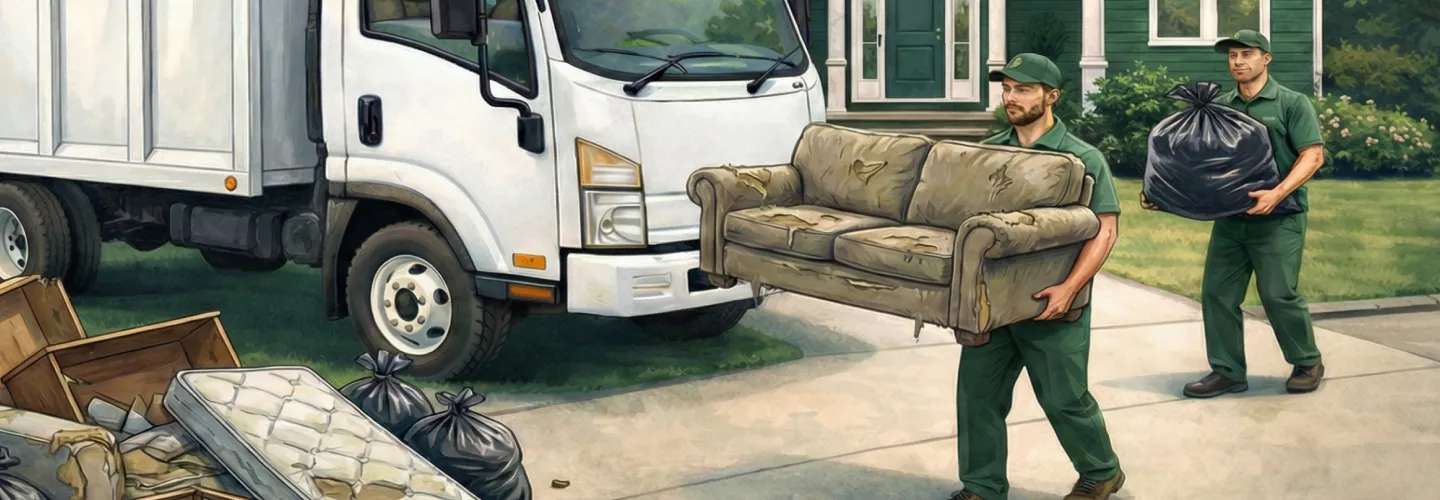
Johns Creek Construction Waste Management Services
Choose us for your construction waste management needs and experience reliable service, eco-friendly disposal, and seamless project support that keeps your site clean and compliant from start to finish.
Get a Free QuoteOur Johns Creek Junk Removal Services
Construction Waste Management in Johns Creek, GA – Local Service Guide
Construction waste management in Johns Creek, GA, requires a tailored approach for both residential and commercial needs. In neighborhoods like Medlock Bridge and Rivermont, residents often need to dispose of bulky items—such as furniture, appliances, or hot tubs—during seasonal cleanouts, renovations, or after major life events. Local options include donation, recycling, or scheduled pickups, but access and weather can impact logistics, especially for large or heavy items. For residential spaces like garages, basements, and yards, spring and fall cleanouts are common, particularly after storms or in areas with heavy tree coverage. Regular trash pickup and yard waste removal schedules vary by subdivision, so checking local guidelines is essential.
Commercial properties in areas like Technology Park or along State Bridge Road face unique challenges, from office renovations to restaurant upgrades. These projects often require discreet, timely waste removal and may generate higher volumes. Specialty services—such as dumpsters for construction debris or coordinated cleanouts for estate and foreclosure properties—demand careful planning and compliance with city regulations. For more on local rules and resources, visit the Johns Creek Public Works Department.
Key Considerations for Construction Waste Management in Johns Creek
- Timing projects around local pickup schedules and weather
- Securing necessary permits for large-scale disposal
- Using approved disposal and recycling channels
- Ensuring site access for large vehicles and equipment
- Estimating waste volume and selecting the right service
- Coordinating with city guidelines for category-specific items
Benefits of Construction Waste Management in Johns Creek
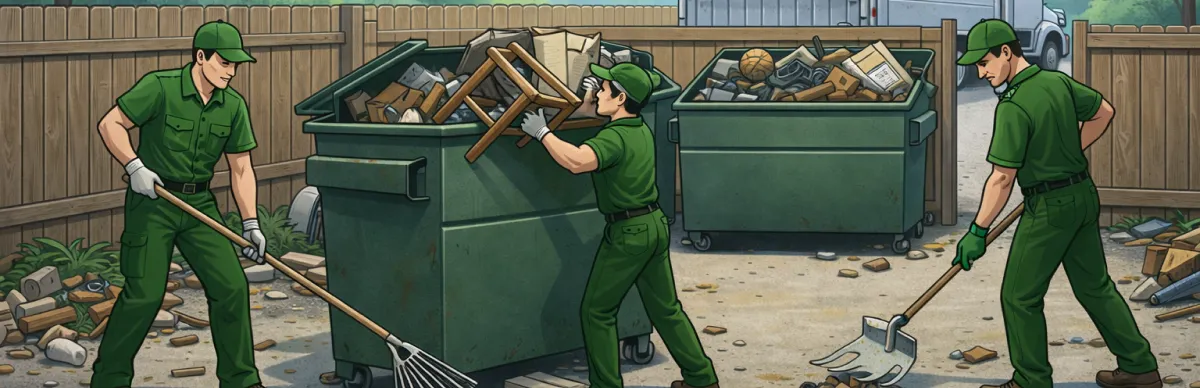
Efficient Debris Removal
Environmentally Responsible Disposal
Cost-Effective Waste Solutions
Compliance With Local Regulations
Improved Site Safety
Streamlined Project Timelines
Coordinating Construction Debris Disposal with Johns Creek's Building Permit Requirements
Construction and demolition projects in Johns Creek require careful coordination between waste disposal planning and the city's permitting process. The Johns Creek Community Development department oversees building permits for renovation, demolition, and new construction activities that generate significant debris volumes. Before beginning any project, property owners and contractors should confirm permit requirements and understand associated waste management obligations.
- Building permits are required for structural demolition, major renovations, and additions that produce construction debris
- Demolition permits may require documentation of waste disposal plans, including identification of licensed haulers
- Asbestos surveys are recommended for structures built before 1980; friable asbestos must be handled by licensed abatement contractors
- Lead paint in pre-1978 buildings requires compliance with the EPA Renovation, Repair, and Painting Rule
- Stormwater protection measures must be in place to prevent construction debris from entering storm drains during active projects
Johns Creek Building Permitting
11360 Lakefield Drive, Johns Creek, GA 30097
Phone: (678) 512-3200
Official Website: Johns Creek Building Permitting
Georgia's Solid Waste Management Act and Construction Debris Regulations
Georgia regulates construction and demolition waste under the Georgia Comprehensive Solid Waste Management Act (O.C.G.A. § 12-8-20) administered by the Georgia Environmental Protection Division. This legislation establishes standards for the handling, transport, and disposal of construction and demolition (C&D) debris across the state. Johns Creek contractors and property owners must comply with both state-level requirements and local ordinances when managing project waste.
- Construction and demolition debris includes concrete, lumber, drywall, roofing materials, metals, brick, glass, and plastics generated during building activities
- Inert waste landfills in Georgia accept clean concrete, brick, block, and asphalt but prohibit mixed C&D loads containing hazardous materials
- Hazardous materials such as lead paint chips, asbestos-containing materials, chemical solvents, and treated wood require separate disposal through licensed hazardous waste facilities
- Illegal dumping of construction debris carries penalties including fines and potential criminal charges under Georgia law
- Waste haulers transporting C&D debris must maintain proper licensing and deliver loads to permitted disposal or recycling facilities
Georgia Environmental Protection Division
2 Martin Luther King Jr. Drive SE, Suite 1456, Atlanta, GA 30334
Phone: (404) 656-4713
Official Website: Georgia Environmental Protection Division
Material Sorting and Separation Requirements for Johns Creek Construction Projects
Proper sorting and separation of construction waste materials is essential for regulatory compliance and environmental stewardship in Johns Creek. The Johns Creek Sustainability program encourages waste diversion practices that reduce the volume of materials sent to landfills. Contractors and homeowners undertaking renovation or demolition projects should implement on-site separation procedures to maximize recyclable material recovery.
- Concrete, brick, and masonry should be separated for crushing and reuse as aggregate fill material at permitted inert waste facilities
- Scrap metals including steel framing, copper wiring, aluminum flashing, and iron pipes have significant recycling value and should be segregated from general debris
- Clean wood that is unpainted and untreated can be diverted to wood recycling or mulching operations
- Roofing shingles (asphalt) are accepted at select recycling facilities for processing into road paving material
- Drywall and gypsum board should be kept dry and separated, as many C&D recycling facilities accept clean drywall for processing
- Mixed loads containing hazardous materials may be rejected at disposal facilities and incur contamination surcharges
Maintaining separate collection areas on the job site for each material category streamlines disposal logistics and reduces overall project waste costs.
Stormwater Protection and Environmental Compliance During Johns Creek Construction
Construction sites in Johns Creek must implement erosion and sediment control measures to prevent debris and pollutants from entering the city's waterways. The Johns Creek Water Quality Conservation program works to protect local streams and watersheds from construction-related contamination. Projects disturbing one acre or more of land are required to obtain a National Pollutant Discharge Elimination System (NPDES) permit through the Georgia EPD.
- Silt fencing and sediment barriers must be installed around construction debris staging areas to prevent runoff
- Concrete washout areas should be designated and contained to prevent alkaline runoff from reaching storm drains
- Stockpiled materials including soil, gravel, and demolition debris must be covered or contained during rain events
- Waste containers on construction sites should be covered to prevent wind-blown debris and rainwater contamination
- Spill prevention plans are required for sites storing fuels, lubricants, paints, or chemical products used during construction
- Inspections of erosion control measures should occur weekly and within 24 hours of rainfall events exceeding 0.5 inches
Johns Creek Public Works Department
11360 Lakefield Drive, Johns Creek, GA 30097
Phone: (678) 512-3200
Official Website: Johns Creek Public Works Department
Violations of stormwater protection requirements may result in stop-work orders and fines issued through the city's code enforcement process. The EPA Region 4 Southeast office provides additional federal guidance on construction site stormwater compliance.
Safety Standards for Handling Hazardous Construction Materials in Johns Creek
Construction waste in Johns Creek may contain hazardous materials that require specialized handling procedures to protect workers, residents, and the environment. OSHA regulations mandate specific safety protocols for construction sites where workers encounter lead paint, asbestos, silica dust, or chemical substances during demolition and renovation activities. Property owners are responsible for ensuring that hired contractors follow all applicable safety standards.
- Asbestos-containing materials found in floor tiles, insulation, pipe wrap, and siding from pre-1980 structures must be tested and removed by Georgia-licensed abatement professionals before demolition
- Lead-based paint in pre-1978 buildings requires EPA-certified renovators using lead-safe work practices including containment, HEPA filtration, and proper debris disposal
- Treated lumber (CCA-treated wood) should not be burned on-site and must be disposed of at facilities permitted to accept treated wood waste
- Silica dust generated from cutting concrete, brick, or stone requires respiratory protection and dust suppression measures per OSHA standards
- Chemical containers including paint cans, adhesive tubes, and solvent containers must be emptied and disposed of through Fulton County's household hazardous waste collection program
Johns Creek Fire Department
11360 Lakefield Drive, Johns Creek, GA 30097
Phone: (678) 512-3600
Official Website: Johns Creek Fire Department
Contact the Johns Creek Fire Department for guidance on fire safety requirements at construction sites and proper storage of flammable construction materials.
What Neighborhoods Do We Serve Throughout Johns Creek, GA?
- Alpharetta/Johns Creek Border Communities (Findley Oaks, Bridgemill): Established subdivisions with homes dating to the late 1990s and early 2000s frequently undergo kitchen and bathroom renovations generating significant drywall, tile, and cabinetry debris. Wide residential streets and driveways generally accommodate construction vehicle access.
- Country Club of the South: This gated community features large estate homes where major renovation and addition projects produce substantial construction waste volumes. HOA approval and gate access coordination are required before scheduling debris removal services.
- St. Ives: Custom-built homes in this established neighborhood often require roof replacements and exterior renovations. Tree-lined streets and mature landscaping may limit equipment staging areas on residential lots.
- Rivermont: Homes in this community near the Chattahoochee River corridor must observe heightened stormwater protection measures during construction projects due to proximity to protected waterways and floodplain areas.
- Shakerag and Medlock Bridge Area: Mixed residential and commercial development in this corridor generates both residential renovation debris and commercial tenant improvement waste. Access to major roadways facilitates efficient debris hauling logistics.
- Thornhill and Bellmoore Park: Newer construction neighborhoods where warranty-period repairs and early-stage home modifications produce moderate volumes of construction materials including packaging waste, trim lumber, and finishing materials.