
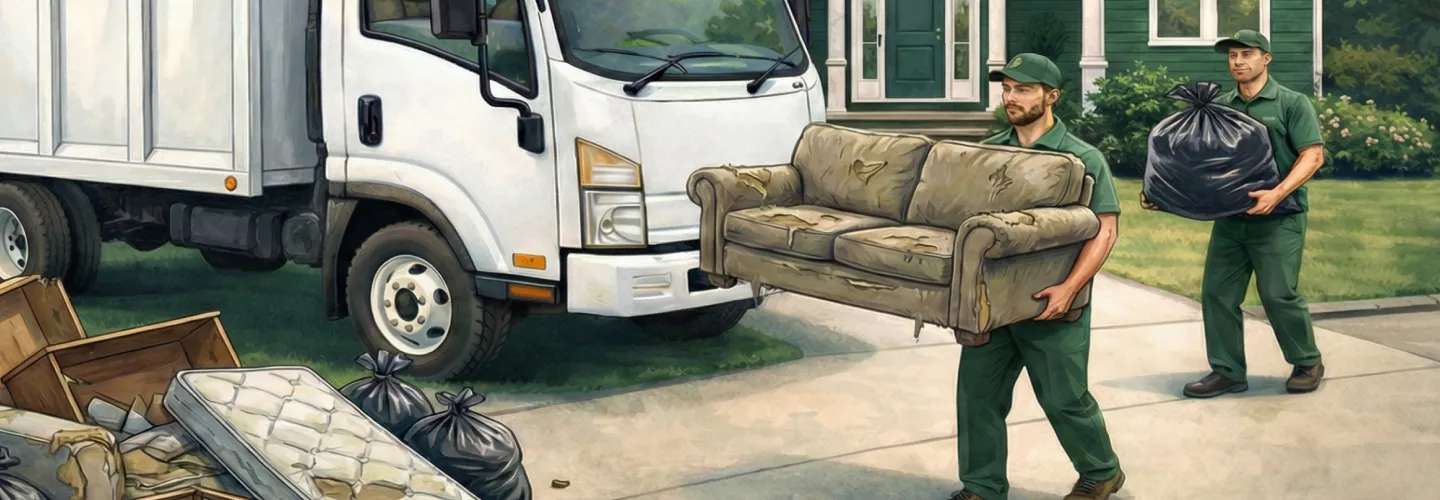
Johns Creek Construction Debris Removal Services
Choose our Construction Debris Removal for fast, reliable, and eco-friendly cleanup that keeps your site safe, organized, and ready for the next phase.
Get a Free QuoteOur Johns Creek Junk Removal Services
Construction Debris Removal in Johns Creek, GA – Local Service Guide
Construction debris removal in Johns Creek, GA, is essential for maintaining safe, attractive properties—whether you’re renovating a home in Medlock Bridge, clearing out a basement in Rivermont, or managing a commercial build near Technology Park. For residential items like old appliances or hot tubs, removal often follows seasonal upgrades, storm damage, or major life events. Local neighborhoods may face unique challenges, such as limited driveway access or weather-related delays, making professional logistics and proper disposal (donation, recycling, or landfill) crucial. Garage and yard cleanouts typically spike after spring storms or during fall leaf cycles, especially in areas with heavy tree coverage or flood-prone lots. Commercial clients—offices, restaurants, and retail spaces—require discreet, timely debris removal to minimize business disruption, with larger volumes and stricter operational windows. Specialty services, including dumpster rentals or estate cleanouts, demand careful planning and coordination, particularly for construction debris from new builds or remodels. For guidance on local disposal rules and resources, visit the Johns Creek Public Works Department.
Key Considerations for Construction Debris Removal in Johns Creek
- Timing projects around local weather and neighborhood access
- Securing necessary permits for large-scale debris removal
- Using approved disposal and recycling channels
- Navigating tight driveways or limited street parking
- Estimating debris volume for proper equipment
- Coordinating with city schedules and category-specific requirements
Benefits of Construction Debris Removal in Johns Creek
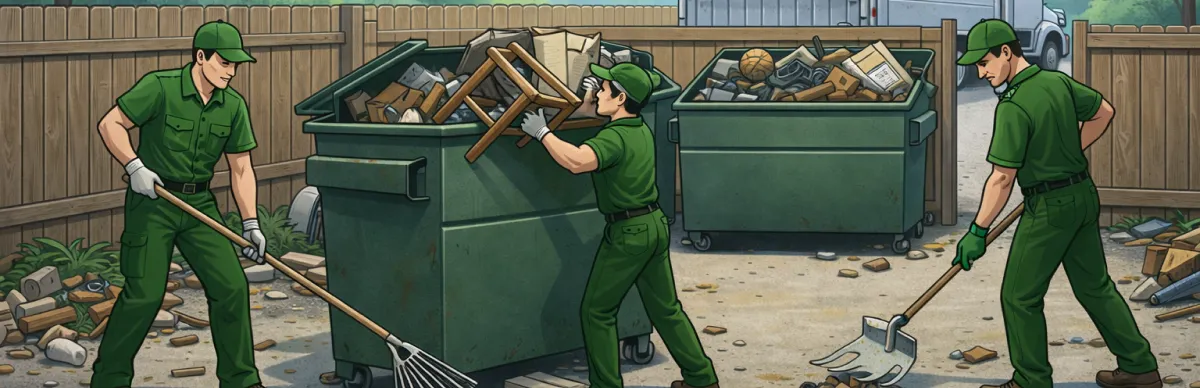
Fast and Reliable Cleanup
Safe Job Site Practices
Eco-Friendly Disposal Solutions
Cost-Effective Debris Removal
Experienced Local Professionals
Flexible Scheduling Options
Coordinating Construction Debris Removal with Johns Creek's Building Permit Requirements
Construction and demolition projects in Johns Creek require proper permitting before debris removal can begin. The Johns Creek Community Development department oversees building permits for residential and commercial renovation, demolition, and new construction activities. Property owners and contractors must ensure all permits are secured before generating construction waste, as code enforcement officers may issue violations for unpermitted work and improper debris staging.
- Demolition permits are required before structural removal begins on any residential or commercial property
- Renovation permits must be obtained for projects involving load-bearing walls, electrical, or plumbing modifications
- Debris staging areas on the property must not obstruct sidewalks, fire hydrants, or neighboring driveways
- Permit inspections may include verification that waste is being handled according to approved plans
- Construction waste must not be placed in residential curbside collection bins designated for household refuse
Johns Creek Building Permitting
11360 Lakefield Drive, Johns Creek, GA 30097
Phone: (678) 512-3200
Official Website: Johns Creek Building Permitting
Contractors should confirm permit conditions regarding on-site waste management before scheduling debris hauling services.
Georgia's Solid Waste Management Act and Construction Debris Disposal Compliance
Georgia regulates construction and demolition debris under the Georgia Comprehensive Solid Waste Management Act (O.C.G.A. § 12-8-20) administered by the Georgia Environmental Protection Division (GA EPD). This legislation establishes requirements for the handling, transport, and disposal of construction and demolition (C&D) waste, including wood, drywall, concrete, roofing materials, metals, and brick. Johns Creek residents and contractors must comply with both state and local regulations when disposing of construction debris.
- C&D landfills in Georgia are separately permitted from municipal solid waste landfills and accept only inert construction materials
- Hazardous materials such as asbestos, lead paint, chemical solvents, and treated lumber require specialized disposal and cannot be mixed with standard C&D waste
- Illegal dumping of construction debris carries penalties under Georgia law, including fines up to $25,000 per day for violations
- Waste transporters hauling C&D materials must deliver loads to permitted facilities only
- Property owners bear ultimate responsibility for ensuring debris from their projects reaches an authorized disposal or recycling facility
Compliance with the Resource Conservation and Recovery Act (RCRA) is also required when construction debris contains federally regulated hazardous components.
Material Sorting and Separation Requirements for Johns Creek Construction Projects
Proper sorting of construction debris at the job site is essential for regulatory compliance and environmental stewardship. The Johns Creek Sustainability program encourages waste diversion through recycling and material recovery. Separating recyclable construction materials from general waste reduces landfill volume and may lower disposal costs at permitted facilities.
- Concrete, brick, and masonry should be separated for crushing and reuse as aggregate fill material
- Scrap metals including steel framing, copper piping, aluminum flashing, and iron rebar are accepted at licensed scrap metal recyclers throughout Fulton County
- Clean wood that is unpainted and untreated can be diverted to wood recycling or mulching operations
- Drywall and gypsum board should be kept dry and separated, as many C&D recycling facilities accept clean drywall for processing
- Roofing shingles (asphalt) are recyclable at select facilities that process them into road paving material
- Mixed C&D waste that is not separated may incur higher tipping fees at disposal facilities
Contractors working in Johns Creek should establish on-site sorting stations with clearly labeled containers for each material stream before demolition or renovation work begins.
Stormwater Protection and Environmental Safeguards During Debris Removal in Johns Creek
Johns Creek places significant emphasis on water quality and environmental protection during construction activities. The Johns Creek Water Quality Conservation program requires that construction sites implement erosion and sediment controls to prevent debris, sediment, and pollutants from entering the city's streams and stormwater system. Construction debris removal operations must comply with these environmental safeguards.
- Silt fencing and sediment barriers must remain in place around active debris staging and loading areas
- Dust suppression measures are required when handling dry materials such as concrete, dryite, and masite to prevent airborne particulates
- Debris loading zones should be positioned away from storm drains, creek buffers, and wetland areas
- Washout areas for concrete trucks and equipment must be contained and cannot discharge into stormwater infrastructure
- Spill prevention protocols are required for any equipment fueling or fluid handling on construction sites
Johns Creek Public Works Department
11360 Lakefield Drive, Johns Creek, GA 30097
Phone: (678) 512-3200
Official Website: Johns Creek Public Works Department
Violations of stormwater protection requirements during debris removal may result in stop-work orders and fines issued by the city's code enforcement division.
Hazardous Material Identification and Safe Handling for Johns Creek Renovation Debris
Renovation and demolition projects in Johns Creek—particularly in homes and commercial buildings constructed before 1980—may generate debris containing hazardous materials that require specialized handling. Federal and state regulations mandate specific procedures for identifying and disposing of these materials before standard construction debris removal can proceed.
- Asbestos-containing materials (floor tiles, insulation, pipe wrap, popcorn ceilings) must be surveyed by a Georgia-licensed asbestos inspector before demolition; removal requires a certified abatement contractor
- Lead-based paint in pre-1978 structures is regulated under the EPA Renovation, Repair, and Painting Rule, requiring lead-safe work practices and certified renovators
- Treated lumber (CCA-treated wood) cannot be burned or disposed of in standard C&D landfills and must go to lined municipal solid waste landfills
- Mercury-containing devices such as thermostats and fluorescent lighting fixtures must be removed intact and disposed of as hazardous waste
- Refrigerant-containing equipment encountered during demolition requires recovery by an EPA Section 608 certified technician before disposal
Georgia Environmental Protection Division
2 Martin Luther King Jr. Drive SE, Suite 1456, Atlanta, GA 30334
Phone: (404) 656-4713
Official Website: Georgia Environmental Protection Division
Property owners should schedule hazardous material assessments before beginning any demolition or major renovation work to avoid regulatory violations and protect worker safety.
What Neighborhoods Do We Serve Throughout Johns Creek, GA?
- Abbotts Bridge: This established residential area features single-family homes on larger lots, often requiring debris removal for deck replacements, additions, and whole-home renovations. Wide driveways and cul-de-sac layouts generally provide adequate truck access for hauling operations.
- Newtown Park Area: Proximity to commercial corridors means both residential renovation debris and small commercial tenant improvement waste are common. Contractors should coordinate loading schedules to avoid peak traffic periods along McGinnis Ferry Road.
- Shakerag: Upscale homes in this community frequently undergo kitchen and bathroom remodels generating significant tile, cabinetry, and countertop waste. HOA regulations may restrict debris staging visibility and require advance notification for extended projects.
- Ocee: A mix of older and newer subdivisions where roof replacements and siding projects are common. Homes built in the 1980s and 1990s may require asbestos screening before renovation debris removal begins.
- Medlock Bridge: Properties near the Chattahoochee River corridor are subject to additional environmental buffer requirements. Debris removal vehicles must avoid sensitive riparian zones, and erosion controls are strictly enforced.
- Johns Creek Town Center District: Mixed-use commercial and residential properties in this area require coordination with the Johns Creek Zoning department for commercial renovation debris removal, particularly regarding loading zone access and operating hour restrictions.