
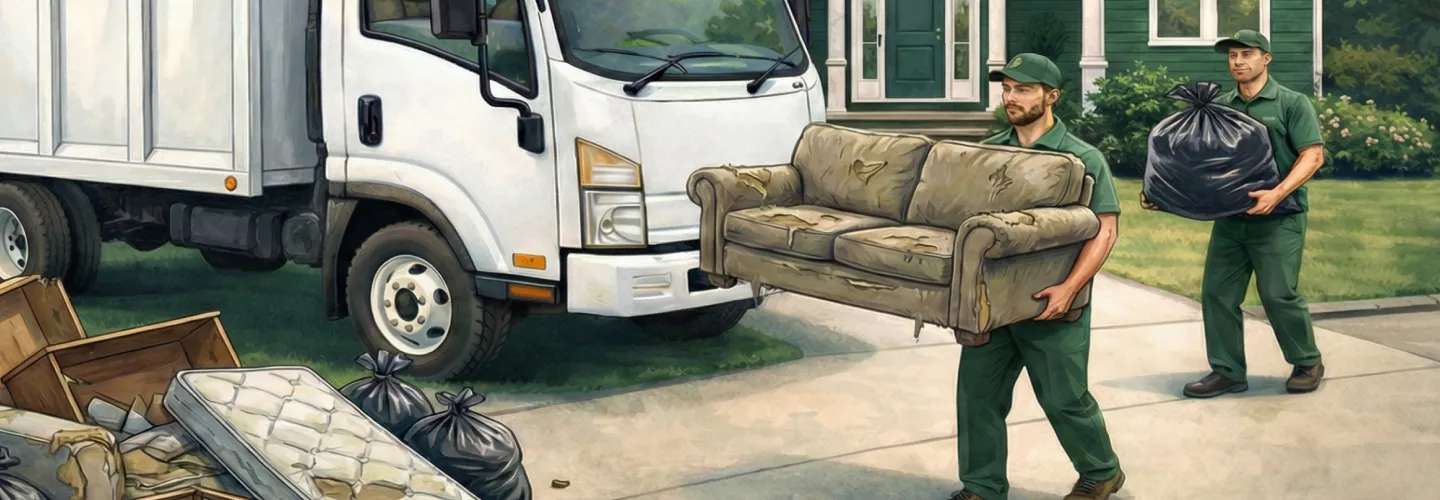
Johns Creek Estate Cleanout Services
Choose our estate cleanout services for respectful handling, thorough organization, and stress-free solutions—helping you move forward with peace of mind.
Get a Free QuoteOur Johns Creek Junk Removal Services
Estate Cleanout in Johns Creek, GA – Local Service Guide
Estate cleanout in Johns Creek, GA, requires careful planning and local expertise to ensure a smooth process. Whether you’re clearing a home in St. Ives Country Club, prepping a property in Medlock Bridge, or managing a transition in Rivermont, timing and logistics are key. For residential items like furniture, mattresses, appliances, and even hot tubs, cleanouts often follow life events such as downsizing, estate transitions, or seasonal upgrades. Local donation centers and recycling programs offer eco-friendly disposal options, while larger items may require special pickup or coordination with city services. Access, weather, and property layout—especially in neighborhoods with gated entries or steep driveways—can impact scheduling.
Garage, basement, and attic cleanouts are common after storms or during spring and fall, when yard waste and trash pickup schedules are busiest. Properties near the Chattahoochee River may face unique challenges with flooding or tree debris. Commercial cleanouts in areas like Technology Park or Johns Creek Walk often involve strict timing, discretion, and higher volumes, especially for offices, restaurants, and medical facilities. Specialty services—such as for hoarding, foreclosures, or construction debris—require advanced planning and coordination, particularly for estates with complex access or hazardous materials.
Benefits of Estate Cleanout in Johns Creek
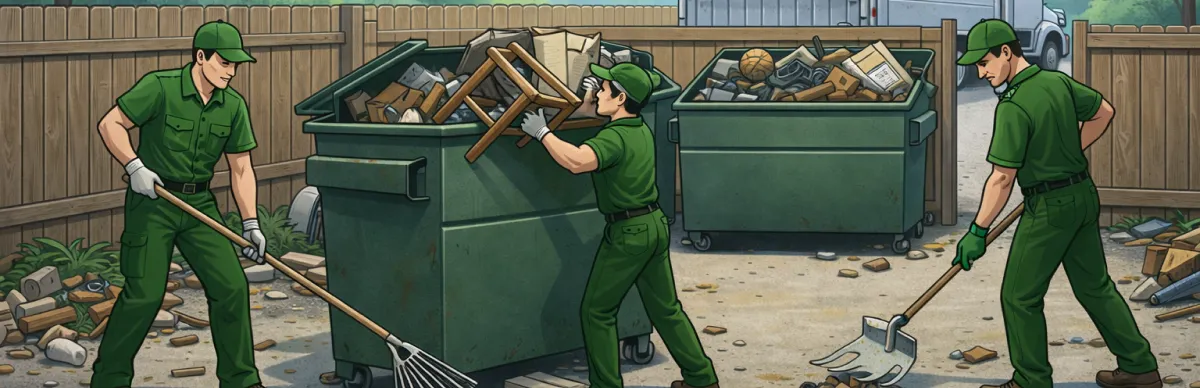
Fast and Efficient Cleanout
Experienced Local Team
Eco-Friendly Disposal
Flexible Scheduling Options
Transparent Upfront Pricing
Comprehensive Estate Services
Coordinating Estate Cleanout Disposal with Johns Creek's Public Works and Solid Waste Services
Estate cleanouts in Johns Creek require careful coordination with municipal waste management services, as the city contracts solid waste collection through private haulers operating under city oversight. Johns Creek does not operate its own transfer station, so residents must work within Fulton County's disposal infrastructure for large-volume removal projects. Key considerations for estate cleanout disposal include:
- Curbside collection limitations prevent placement of excessive bulk items; estate-scale volumes typically exceed standard residential pickup allowances
- Fulton County facilities serve as the primary drop-off points for self-hauled estate materials, including the North Fulton Transfer Station
- Scheduling requirements mandate advance coordination with the contracted hauler for any items beyond normal weekly collection
- Prohibited curbside items include appliances containing refrigerants, electronics, tires, and hazardous household chemicals
- Code enforcement through the Johns Creek Community Development department may apply if debris or items remain visible on the property for extended periods
Residents undertaking estate cleanouts should contact the city's contracted waste hauler to confirm bulk item pickup schedules and item limits before placing materials at the curb. Items left outside designated collection windows may result in code violations.
Johns Creek Public Works Department
11360 Lakefield Drive, Johns Creek, GA 30097
Phone: (678) 512-3200
Official Website: Johns Creek Public Works Department
Georgia's Solid Waste Management Act and Estate Cleanout Compliance Requirements
Georgia's solid waste regulations, administered by the Georgia Environmental Protection Division (GA EPD), establish the legal framework governing how estate cleanout materials must be handled, sorted, and disposed of throughout Johns Creek. The Georgia Comprehensive Solid Waste Management Act (O.C.G.A. § 12-8-20) requires all waste generators—including those conducting residential estate cleanouts—to use permitted disposal facilities and licensed haulers. Key state-level requirements include:
- Landfill disposal restrictions prohibit lead-acid batteries, used motor oil, and tires from entering municipal solid waste landfills
- Hazardous waste identification is required before disposal; household quantities of paint, pesticides, solvents, and cleaning chemicals must be separated from general estate debris
- Appliance refrigerant recovery is mandated under both federal EPA Section 608 regulations and state law before any refrigerator, freezer, or air conditioning unit can be scrapped or landfilled
- Yard waste separation is required in many Georgia jurisdictions; mixing yard debris with household waste may result in load rejection at disposal facilities
- Illegal dumping penalties under Georgia law include fines up to $25,000 per day for improper disposal of solid waste
Estate cleanout projects frequently generate mixed waste streams that require sorting before lawful disposal.
Hazardous Material Identification and Safe Handling During Johns Creek Estate Cleanouts
Older homes in Johns Creek—particularly those built before 1978—may contain hazardous materials that require specialized handling during estate cleanouts. Federal and state regulations impose strict requirements on the identification, removal, and disposal of these substances. Residents and service providers must be aware of the following hazards commonly encountered:
- Lead-based paint in pre-1978 homes requires compliance with the EPA Renovation, Repair, and Painting Rule; certified renovators must use lead-safe work practices when disturbing painted surfaces during cleanout activities
- Asbestos-containing materials such as floor tiles, pipe insulation, and textured ceilings require professional inspection and licensed abatement if friable materials are present
- Household hazardous waste including paint cans, aerosol sprays, pool chemicals, automotive fluids, and expired medications must be separated and taken to designated collection events or facilities
- Propane tanks and fire extinguishers are prohibited from curbside collection and standard landfill disposal
- Mercury-containing devices such as thermostats, thermometers, and fluorescent bulbs require special recycling
Fulton County periodically hosts Household Hazardous Waste Collection Events where Johns Creek residents can drop off these materials at no charge. Contact Fulton County for upcoming event dates and accepted item lists.
Johns Creek Fire Department
11360 Lakefield Drive, Johns Creek, GA 30097
Phone: (678) 512-3600
Official Website: Johns Creek Fire Department
Recycling, Donation, and Landfill Diversion Strategies for Johns Creek Estate Cleanouts
Estate cleanouts generate significant volumes of reusable and recyclable materials that should be diverted from landfills whenever possible. Johns Creek's Sustainability Program encourages residents to prioritize reuse and recycling during large-scale property cleanouts. Effective diversion strategies include:
- Furniture and household goods donations to organizations such as Habitat for Humanity ReStore, Goodwill, and The Salvation Army, which accept gently used items and often provide pickup services for large quantities
- Electronics recycling through certified e-waste recyclers; computers, televisions, printers, and other electronic devices should never be placed in standard trash collection
- Scrap metal recovery from appliances, fixtures, and hardware can be directed to licensed scrap metal facilities in the greater north Fulton County area
- Textile recycling for clothing, linens, and fabric items not suitable for donation
- Mattress recycling through specialized facilities, as Georgia does not currently have a mandatory mattress EPR program; disposal fees may apply at transfer stations
Sorting estate materials into categories—donate, recycle, hazardous, and landfill—before removal begins reduces disposal costs and supports Johns Creek's environmental stewardship goals. The Johns Creek Water Quality Conservation program also emphasizes preventing debris and pollutants from entering local waterways during cleanout activities.
Permit and Zoning Considerations for Estate Cleanout Projects in Johns Creek
Certain estate cleanout activities in Johns Creek may trigger permit or zoning requirements, particularly when the project involves structural modifications, exterior debris staging, or commercial vehicle access in residential neighborhoods. The Johns Creek Building Permitting division oversees construction-related permits that may apply during estate cleanouts involving renovation or demolition. Key regulatory considerations include:
- Building permits are required if the estate cleanout includes removal of built-in fixtures, cabinetry, or structural elements such as walls, decks, or outbuildings
- Zoning compliance through the Johns Creek Zoning office must be verified if temporary storage pods or staging areas are placed on the property for extended periods
- HOA restrictions in many Johns Creek subdivisions impose additional rules regarding debris visibility, work hours, and commercial vehicle parking in residential areas
- Noise ordinances limit construction-related noise; estate cleanout crews should confirm permitted operating hours with the city, typically between 7:00 AM and 9:00 PM on weekdays
- Right-of-way access for large removal trucks may require coordination with the Public Works Department if vehicles must park on public streets or block traffic lanes
Johns Creek Community Development Department
11360 Lakefield Drive, Johns Creek, GA 30097
Phone: (678) 512-3200
Official Website: Johns Creek Community Development
What Neighborhoods Do We Serve Throughout Johns Creek, GA?
- Abbotts Bridge: Established single-family homes built in the 1990s and 2000s with spacious driveways and two-car garages. Estate cleanouts here often involve large volumes of accumulated household goods, furniture, and garage storage requiring full-property clearing.
- Country Club of the South: A gated community with large estate-style homes and strict HOA regulations governing exterior staging, commercial vehicle access, and work hours. Advance coordination with community management is essential for scheduling cleanout crews and equipment.
- Shakerag: Features a mix of newer construction and mature subdivisions near Shakerag Park. Multi-level homes with finished basements increase the volume and complexity of estate cleanouts, requiring stairwell navigation for heavy items.
- Newtown Park Area: Residential neighborhoods near Newtown Park with moderate lot sizes and cul-de-sac street layouts. Turning radius limitations may affect large truck access; smaller vehicles may be necessary for interior streets.
- Medlock Bridge: Properties along the Medlock Bridge corridor include both single-family homes and townhome communities. Townhome estate cleanouts require attention to shared walls, limited staging space, and community parking restrictions.
- Ocee: One of Johns Creek's more established areas with homes dating to the late 1980s. Older properties may contain lead paint or asbestos materials requiring hazardous material assessment before cleanout activities begin.
- River Walk and St. Ives: Upscale communities with large floor plans and extensive landscaping. Estate cleanouts in these neighborhoods frequently involve high-volume removal including specialty items such as pianos, hot tubs, and built-in entertainment systems that require professional disassembly.