
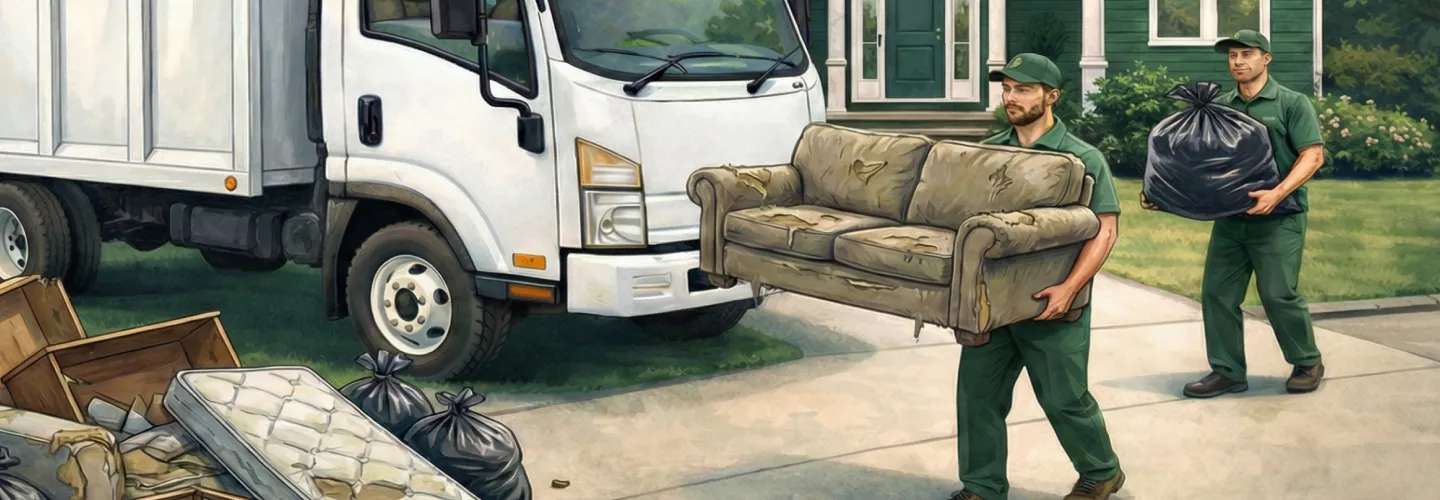
Johns Creek Yard Waste Removal Services
Choose our Yard Waste Removal service for fast, reliable, and eco-friendly solutions that keep your property spotless while saving you time and hassle.
Get a Free QuoteOur Johns Creek Junk Removal Services
Yard Waste Removal in Johns Creek, GA – Local Service Guide
Yard waste removal in Johns Creek, GA is essential for maintaining beautiful properties in neighborhoods like Medlock Bridge, Rivermont, and St. Ives. Homeowners often need removal services after seasonal cleanups, storm debris, or landscaping projects. Spring and fall are peak times, especially when replacing shrubs or clearing fallen branches. For residential items such as old furniture or appliances, disposal is often triggered by home upgrades or life events. Local options include donation, recycling, or scheduled pickups, but access and weather can affect logistics—especially for larger items or during rainy seasons. In commercial areas like Technology Park, businesses require timely, discreet removal to keep operations running smoothly, with higher volumes during renovations or tenant turnovers. Specialty services, such as for construction debris or estate cleanouts, demand careful planning and coordination, particularly in larger properties or during major transitions. For all scenarios, understanding local guidelines and schedules is key to efficient, compliant disposal. For more on local rules and resources, visit the Johns Creek Public Works Department.
Key Considerations for Yard Waste Removal in Johns Creek
- Seasonal timing: peak after storms or during spring/fall cleanups
- Permits: required for large-scale disposals or certain items
- Disposal channels: city pickup, recycling centers, donation options
- Access: gated communities or narrow driveways may require special planning
- Volume: large loads may need advance scheduling or specialty equipment
- Coordination: align with local pickup schedules and HOA guidelines
Benefits of Yard Waste Removal in Johns Creek
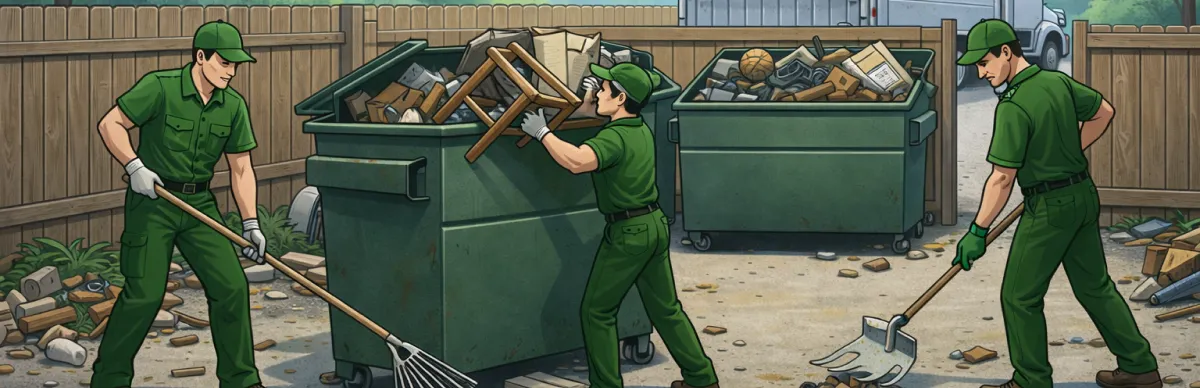
Fast Yard Waste Pickup
Eco-Friendly Disposal
Affordable Service Rates
Licensed and Insured Team
Flexible Scheduling Options
Comprehensive Cleanup Solutions
Coordinating Yard Waste Disposal with Johns Creek's Curbside Collection Program
Johns Creek residents receive weekly curbside yard waste collection through the city's contracted hauler. Proper preparation is essential to ensure materials are accepted on collection day. Residents should follow these guidelines for compliant curbside placement:
- Branches and limbs must be cut to lengths no longer than four feet and bundled with twine or string; individual bundles should not exceed 50 pounds
- Loose yard debris such as leaves, grass clippings, and pine straw must be placed in brown paper yard waste bags or personal containers clearly labeled for yard waste
- Plastic bags are prohibited for yard waste collection; materials bagged in plastic will not be collected
- Placement timing requires all yard waste to be set at the curb by 6:00 AM on the scheduled collection day
- Volume limits may apply per weekly pickup; excess material beyond the standard allowance may require scheduling a special collection
Residents should confirm their specific collection day and any seasonal schedule changes through the Johns Creek Public Works Department.
Johns Creek Public Works Department
11360 Lakefield Drive, Johns Creek, GA 30097
Phone: (678) 512-3200
Official Website: Johns Creek Public Works Department
Johns Creek Stormwater Protection Requirements for Yard Waste Handling
Improper yard waste disposal poses direct risks to Johns Creek's waterways and stormwater infrastructure. The city enforces stormwater management regulations that apply to how yard debris is handled on residential and commercial properties. Dumping yard waste into storm drains, streams, or drainage ditches is a code violation subject to enforcement action. Key environmental compliance considerations include:
- Storm drain protection: Leaves, grass clippings, and soil must never be swept or blown into street gutters or storm drains, as these materials contribute to nutrient loading and blockages
- Stream buffer zones: Johns Creek maintains stream buffer requirements; depositing yard waste within designated buffer areas is prohibited under the city's water quality conservation programs
- Composting on-site: Residents may compost leaves, grass, and small plant material on their own property as an alternative to curbside collection, reducing overall waste volume
- Erosion prevention: Large-scale land clearing or tree removal projects may require coordination with the Johns Creek Community Development department to ensure compliance with erosion and sediment control ordinances
The Georgia Environmental Protection Division (GA EPD) oversees statewide stormwater permitting and enforcement standards that inform local regulations.
Georgia Solid Waste Management Act Compliance for Yard Debris Disposal
Georgia's Solid Waste Management Act (O.C.G.A. § 12-8-20 et seq.) establishes the regulatory framework governing how yard waste and organic debris must be managed across the state. Johns Creek residents and commercial landscaping operators must comply with both state and local requirements when disposing of yard waste materials. Important state-level provisions include:
- Landfill restrictions: Georgia encourages diversion of yard trimmings from municipal solid waste landfills; yard waste is classified separately and should be directed to composting facilities or permitted yard trimmings sites
- Illegal dumping penalties: Disposing of yard waste on public or private property without authorization constitutes illegal dumping under Georgia law, carrying fines and potential criminal penalties
- Commercial hauler requirements: Landscaping companies and tree service operators transporting yard waste must use permitted disposal facilities and maintain proper documentation
- Burning restrictions: Open burning of yard waste in Johns Creek is subject to local fire ordinances and Fulton County air quality regulations; residents should verify current burn ban status before igniting any debris
Georgia Environmental Protection Division
2 Martin Luther King Jr. Drive SE, Suite 1456, Atlanta, GA 30334
Phone: (404) 656-4713
Official Website: Georgia Environmental Protection Division
Tree Removal Permits and Large-Scale Yard Waste Projects in Johns Creek
Significant yard waste removal projects—particularly those involving tree removal, land clearing, or major landscaping renovations—may require permits from Johns Creek's Community Development department. The city's tree preservation ordinance regulates the removal of certain trees on residential and commercial properties. Before undertaking large-scale yard waste projects, property owners should consider:
- Tree removal permits: Removal of protected trees (typically those exceeding a specified diameter at breast height) requires a permit from the Johns Creek Zoning division; unauthorized removal may result in fines and mandatory replanting
- Land disturbance permits: Projects disturbing more than a specified area of land may trigger land disturbance permit requirements through Johns Creek Building Permitting
- Debris volume planning: Large tree removal generates substantial wood waste; stumps, trunks, and root balls may exceed standard curbside collection limits and require hauling to a permitted composting or disposal facility
- Arborist resources: The Georgia Tree Council provides guidance on tree care best practices, species identification, and proper pruning techniques that can reduce unnecessary waste generation
Johns Creek Community Development Department
11360 Lakefield Drive, Johns Creek, GA 30097
Phone: (678) 512-3200
Official Website: Johns Creek Community Development
Recycling and Composting Alternatives for Johns Creek Yard Waste
Johns Creek's sustainability programs encourage residents to explore recycling and composting options that divert organic yard waste from landfill disposal. Yard trimmings represent a significant portion of the residential waste stream, and proper diversion supports the city's environmental stewardship goals. Available alternatives include:
- Backyard composting: Leaves, grass clippings, small branches, and non-invasive plant material can be composted at home; compost bins should be placed away from property lines and maintained to prevent odor or pest issues
- Mulching in place: Using a mulching mower to return grass clippings to the lawn eliminates disposal needs entirely and provides natural fertilization
- Community drop-off events: Johns Creek periodically hosts special collection events for yard waste and other materials; check the city's Public Works announcements for scheduled dates
- Prohibited materials: Yard waste contaminated with pesticides, herbicides, or mixed with household trash, construction debris, or plastic is not accepted in composting programs and must be disposed of separately
- Invasive species: Certain invasive plant species should not be composted, as seeds and root fragments may survive the composting process; these materials should be bagged and placed in regular waste collection
What Neighborhoods Do We Serve Throughout Johns Creek, GA?
- Abbotts Bridge: Established single-family homes on wooded lots generate significant seasonal leaf and branch debris. Mature tree canopy requires periodic limb removal, and long driveways may necessitate staging yard waste closer to the curb for collection access.
- Country Club of the South: This gated community features large estate-style properties with extensive landscaping. HOA guidelines may govern debris placement timing and appearance standards; residents should coordinate with community management before staging large volumes of yard waste curbside.
- Shakerag: Properties in this area often include heavily wooded rear lots adjacent to stream buffers. Tree removal and land clearing projects may require permits due to proximity to protected waterways and the city's buffer zone regulations.
- Medlock Bridge: A mix of residential subdivisions and commercial corridors characterizes this area. Townhome communities may have shared collection points for yard waste, and commercial landscaping operations must use licensed haulers for debris removal.
- Ocee: Family-oriented neighborhoods with moderate lot sizes produce consistent seasonal yard waste. Cul-de-sac street layouts provide adequate truck access, though residents should avoid blocking shared turnaround areas with debris piles.
- Newtown Park Area: Proximity to Newtown Park and recreational greenspace means properties border maintained public land. Residents should ensure yard waste from private property is not deposited on city park land or trail corridors, as this constitutes illegal dumping.