
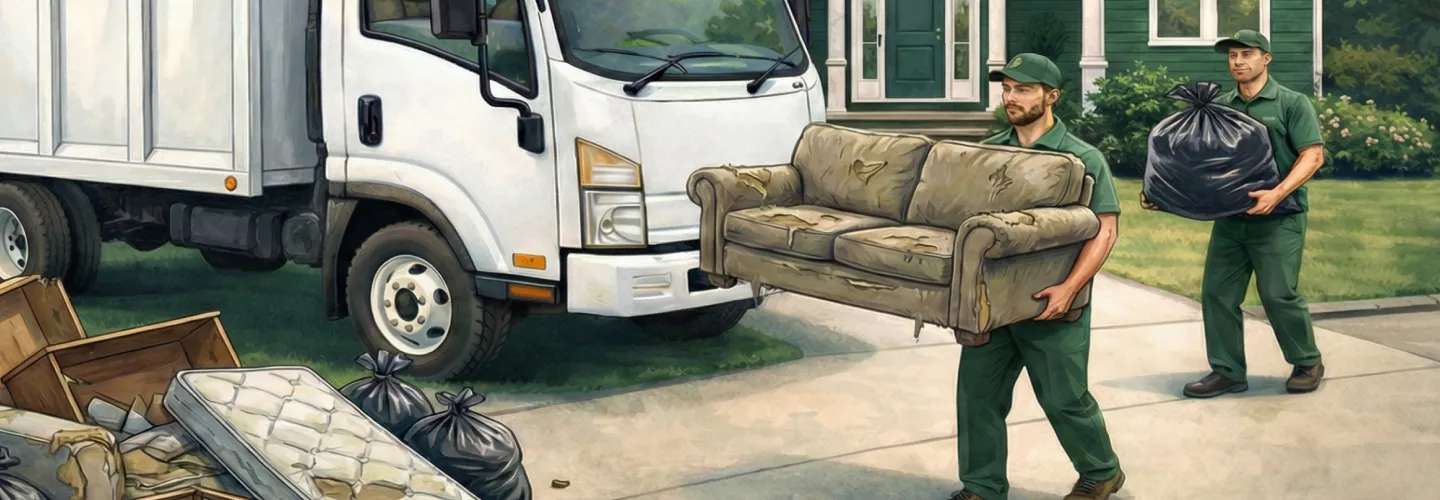
Johns Creek Shed Removal Services
Choose our shed removal service for safe, efficient, and eco-friendly disposal—saving you time, effort, and giving you back valuable space without the stress.
Get a Free QuoteOur Johns Creek Junk Removal Services
Shed Removal in Johns Creek, GA – Local Service Guide
Shed removal in Johns Creek, GA is a common need for homeowners updating their properties in neighborhoods like Medlock Bridge and Rivermont. Many residents seek shed removal during spring cleanouts, after storm damage, or when replacing old storage with modern solutions. Local disposal options include recycling metal components or donating usable materials, but most sheds require professional dismantling and hauling due to their size and construction. Access can be a challenge in backyards with limited entry or during wet weather, so planning around Johns Creek’s seasonal rain is important. For larger or specialty sheds, permits may be required—check with the city for current regulations. Professional teams can handle logistics, ensuring safe removal and responsible disposal, while minimizing disruption to your property and neighbors. For more on local requirements, visit the Johns Creek Building Permitting page.
Key Considerations for Shed Removal in Johns Creek
- Timing: Spring and post-storm periods are busiest
- Permits: May be needed for larger structures
- Disposal Channels: Recycle, donate, or landfill options
- Access: Tight yards or wet conditions can complicate removal
- Volume: Larger sheds require special equipment
- Coordination: Plan with professionals for safe, efficient service
Benefits of Shed Removal in Johns Creek
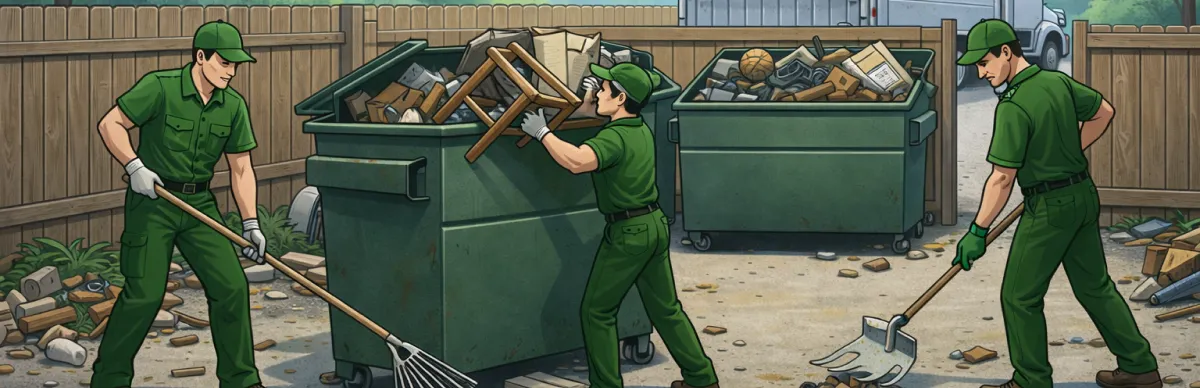
Fast Shed Removal Services
Eco-Friendly Disposal Solutions
Licensed and Insured Team
Transparent Upfront Pricing
Flexible Scheduling Options
Safe and Hassle-Free Process
Coordinating Shed Demolition Permits with Johns Creek's Building and Community Development Department
Shed removal in Johns Creek typically involves structural demolition, which may require a permit from the city's Community Development Department. Before beginning any shed teardown, property owners should verify whether a demolition or building permit is necessary based on the structure's size, foundation type, and proximity to property lines. Johns Creek enforces zoning and building codes that govern accessory structure removal.
- Permit verification is recommended for sheds with permanent foundations, electrical wiring, or plumbing connections
- Zoning setback compliance must be confirmed before and after removal through the city's zoning office
- Inspection requirements may apply if the shed contains electrical panels or is connected to utilities
- Structures built before 1978 should be assessed for lead-based paint before demolition begins
- Permit applications are processed through the city's online portal or in person at City Hall
Residents should contact the Community Development Department to confirm specific permit requirements for their project scope.
Johns Creek Community Development Department
11360 Lakefield Drive, Johns Creek, GA 30097
Phone: (678) 512-3200
Official Website: Johns Creek Community Development
Material Sorting and Disposal Requirements for Shed Debris in Johns Creek
Shed removal generates a mix of construction and demolition debris that must be sorted and disposed of in compliance with Georgia's solid waste regulations. The Georgia Comprehensive Solid Waste Management Act (O.C.G.A. § 12-8-20) establishes statewide standards for construction debris handling, and Johns Creek residents must ensure materials are directed to appropriately permitted facilities.
Common shed materials require separation before disposal:
- Treated lumber must be disposed of at lined landfills approved for treated wood; it cannot be burned or composted
- Metal roofing, hinges, and fasteners should be separated for scrap metal recycling at licensed facilities
- Asphalt shingles may be accepted at specialized recycling processors in the greater Atlanta metro area
- Concrete foundations and pavers can often be recycled as aggregate at construction and demolition recycling centers
- Glass windows should be removed intact and recycled separately from general debris
- Electrical wiring and fixtures must be disconnected by a licensed electrician before demolition
Fulton County operates transfer stations that accept construction and demolition waste; residents should confirm accepted materials and current disposal fees before hauling debris. Mixing hazardous materials such as paint cans, pesticide containers, or treated wood with general debris may result in load rejection and additional fees.
Georgia Environmental Protection Division
2 Martin Luther King Jr. Drive SE, Suite 1456, Atlanta, GA 30334
Phone: (404) 656-4713
Official Website: Georgia Environmental Protection Division
Hazardous Material Identification and Safe Handling During Shed Demolition in Johns Creek
Older sheds in Johns Creek may contain hazardous materials that require specialized handling before and during demolition. Federal and state regulations impose strict requirements on the identification, containment, and disposal of these substances to protect workers, residents, and the environment.
Key hazardous material concerns during shed removal include:
- Lead-based paint: Sheds built before 1978 may have lead paint on interior and exterior surfaces; the EPA Renovation, Repair, and Painting Rule requires lead-safe work practices during demolition
- Asbestos-containing materials: Older roofing shingles, siding, and insulation may contain asbestos; Georgia requires a thorough inspection before demolition of structures suspected to contain asbestos
- Pesticides and chemicals: Sheds used for garden storage frequently contain old pesticide containers, herbicides, and chemical fertilizers that are classified as household hazardous waste
- Fuel and oil: Gasoline, motor oil, and propane tanks stored in sheds must be removed and disposed of through designated hazardous waste collection programs
Fulton County periodically hosts Household Hazardous Waste collection events where residents can dispose of chemicals, paints, and fuels at no charge. Johns Creek's Sustainability Division provides information on upcoming collection dates and accepted materials. Improper disposal of hazardous materials may result in code enforcement violations and environmental contamination penalties under EPA Region 4 oversight.
Johns Creek Public Works Department
11360 Lakefield Drive, Johns Creek, GA 30097
Phone: (678) 512-3200
Official Website: Johns Creek Public Works
Stormwater Protection and Environmental Compliance for Shed Removal Sites in Johns Creek
Shed removal projects in Johns Creek must comply with the city's stormwater management regulations to prevent sediment runoff, soil erosion, and contamination of local waterways. Johns Creek is located within the Chattahoochee River watershed, and the city enforces strict water quality standards through its Water Quality and Conservation programs.
Property owners and contractors should implement the following environmental protections during shed demolition:
- Erosion control measures such as silt fencing or straw wattles must be installed around the demolition area, particularly on sloped lots
- Exposed soil from foundation removal should be stabilized with seed or ground cover within 14 days of disturbance
- Debris containment is required to prevent construction materials from entering storm drains, ditches, or streams
- Concrete washout from foundation breaking must be contained and cannot be discharged into stormwater systems
- Tree protection zones must be maintained if mature trees are adjacent to the shed; the Georgia Tree Council provides guidance on root zone preservation
Johns Creek's Municipal Separate Storm Sewer System (MS4) permit requires the city to enforce construction site runoff controls. Violations of stormwater regulations can result in stop-work orders and fines. Property owners should consult the Public Works Department before beginning demolition on properties near streams, floodplains, or wetland buffers.
Recycling and Salvage Opportunities for Shed Materials in Johns Creek
Before demolishing a shed, Johns Creek residents should evaluate opportunities to recycle, salvage, or donate reusable materials. Diverting shed components from landfills supports Georgia's waste reduction goals and may reduce overall disposal costs. The Johns Creek Sustainability Division encourages residents to prioritize material recovery during demolition projects.
Salvageable shed materials commonly include:
- Doors, windows, and hardware in good condition can be donated to organizations such as Habitat for Humanity ReStore locations in the north metro Atlanta area
- Dimensional lumber that is untreated and structurally sound may be reused in other projects or donated
- Metal roofing panels and aluminum siding have scrap value and are accepted at licensed metal recycling facilities throughout Fulton County
- Concrete and masonry can be processed into recycled aggregate at construction and demolition recycling facilities
- Usable shelving, workbenches, and storage units may be donated to local charitable organizations
Residents should note that pressure-treated lumber cannot be burned, composted, or donated due to chemical preservatives and must be disposed of at a permitted solid waste facility. Separating materials on-site before hauling reduces disposal costs and ensures compliance with facility sorting requirements.
Johns Creek Building Permitting Division
11360 Lakefield Drive, Johns Creek, GA 30097
Phone: (678) 512-3200
Official Website: Johns Creek Building Permitting
What Neighborhoods Do We Serve Throughout Johns Creek, GA?
- Abbotts Bridge : This established neighborhood features single-family homes on wooded lots where backyard shed access may require navigating narrow side yards and mature tree canopies. Erosion control is particularly important on sloped properties near creek buffers.
- Country Club of the South: A gated community with HOA regulations that may require advance approval for shed demolition, debris staging, and contractor vehicle access. Residents should submit removal plans to the architectural review committee before scheduling work.
- St. Ives: Large residential lots with rear-yard sheds often accessible via extended driveways. Properties near the Chattahoochee River corridor require heightened stormwater protection measures during demolition.
- Shakerag: Homes in this area frequently feature older accessory structures that may contain lead paint or aging roofing materials requiring hazardous material assessment before removal.
- Medlock Bridge: Properties near Medlock Bridge Road may face access constraints for large removal vehicles due to traffic volume and limited staging areas along the corridor.
- Ocee: A family-oriented neighborhood with moderate lot sizes where shed removal projects should account for proximity to neighboring structures and shared fence lines during demolition.